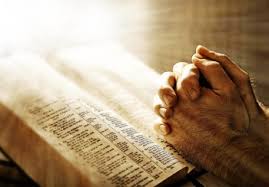
“Whenever Jehudi had read three or four columns of the scroll, the king cut them off with a scribe’s knife and threw them into the firepot, until the entire scroll was burned in the fire” – Jeremiah 36:23.
How do you react to the word of God when it does not agree with your convictions and priorities? How do you manage godly counsel when you have fired on full throttle toward history to make a name for yourself? (Gen. 11:4).
King Josiah tore his robes when Jehudi read from the Book of the Law to him (2 Kings 22:11). In response, Josiah led Judah to renew their covenant with God. He began a massive religious reform and celebrated the Passover in a manner that surpassed any other king in the history of Israel (23:1-25).
King Jehoiakim, however, received the word of the Lord with utter contempt. Whenever Jehudi read three or four columns of the scroll on which Jeremiah wrote the prophecy of God to him, King Jehoiakim cut off parts of that section with a scribe’s knife and threw them into the fire set before him in his winter apartment (Jer.36:23).
Jehoiakim behaved as if burning the scroll could erase the word of God and free Judah from the imminent Babylonian invasion.
Millions of people shred the Bible and burn it to get rid of its message as if they can change God’s prophecy. If that were possible, there would have been no flood during the time of Noah (Genesis 7:11-12). Neither would the Romans have been able to invade Jerusalem in 70AD and destroyed its prized temple.
In Matthew 5:18, Jesus affirmed the permanency of scripture with these words: “I tell you the truth until heaven and earth disappear, not even the smallest detail of God’s law will disappear until its purpose is achieved.” People must know that human anger cannot nullify the word of God, no matter the extent of its sting. Like a child, the world has shut its ears to the prophecy of the Holy Bible. However, they cannot make it go away. God haters continue to question the authenticity of Holy scriptures and rationalize it to suit their carnality without achieving their desired goals. They have only set themselves up for God’s wrath (Rm. 1:18-29).
God is merciful and kind. He commanded Jeremiah to rewrite the message after King Jehoiakim had burned the first scroll (Jer.36:28). His intention then, as it is now, was to allow the reprobate King and the nation to repent.
We do well to accept the timeliness of the word of God as an opportunity to turn around and make it right with our Jesus.
Great is the reward for absolute obedience to the Spirit of God, but damning are the consequences for disobedience adorned in any garb. The Hebrews writer was on point when he wrote these words: “It is a dreadful thing to fall into the hands of the living God” (Heb. 10:31).
 Through the Eyes of the Spirit